
What Is Culture Shock & How To Manage It

Moving to a new country or immersing oneself in a different culture can be an exciting yet challenging experience. Say hello to Culture Shock! It’s that moment of utter disorientation, uneasiness, and bewilderment that you experience when you step into a new culture. Don’t worry, you’re not alone! Everyone goes through it, and we’ve got your back!
In this post, we’re going to share our personal experiences with you and explore Culture Shock, its stages, and how to overcome it with humor. Let’s dive into the unknown and tackle it like a boss!

First Things First, What Exactly is Culture Shock?
Culture shock can be quite intense and overwhelming. While it might sound like something that cultures do to outsiders, it’s actually the opposite. Culture shock hits you when you immerse yourself into a new culture, and everything seems different, unfamiliar, and overwhelming. It’s that moment when you realize that you’re not in Kansas anymore, Toto!
Stages of Culture Shock: Let’s Get Real!
We’ve all turned into Keanu Reeves at some point in our lives and wondered, “Whoa, what’s going on?” Culture Shock can be super intense, but knowing the stages can help you prepare mentally and emotionally.
Stage 1: The Honeymoon Stage: “Everything is Amazing!”
The first stage of culture shock is like the honeymoon phase in a relationship. Everything is new, shiny, and exciting. You devour the culture like a croissant fresh out of the oven. You enjoy the novelty of experiencing something different and love the fact that you’re bold enough to take the leap to a new country.
This is an exhilarating stage. It is so much fun to be somewhere new and take in the fresh sites, smells, and tastes. Savor this phase as you would a honeymoon phase in a relationship. Dive into it and enjoy!

Stage 2: Frustration Stage: “Why aren’t things like the way they were back home?”
After the honeymoon stage ends, you step into the second stage, the Frustration stage. You may wonder why the heck things aren’t working out the way they did back home. You might feel like you’re missing out on precious things like your favorite TV shows, foods, or people. You’re trying hard to adjust, but things seem awkward and frustrating. This can be even more intense if you are in a country that doesn’t speak your native language.
There were times when I would get home from class and put headphones in to listen to music in English. My brain was exhausted by trying to understand the hours of Spanish I had just taken in. I also really wanted an apple martini!

Stage 3: The Adjustment Stage: “Let’s Find a Middle Ground!”
After you’ve been immersed in the culture long enough, you’ll start to adapt and become resilient. You’re less frustrated, and you’ve started to embrace your new normal. You’re now comfortable with the concept that things are different. It’s as if you’ve met the culture halfway, and the culture has reciprocated. Congratulations, you’ve made it to the Adjustment stage!
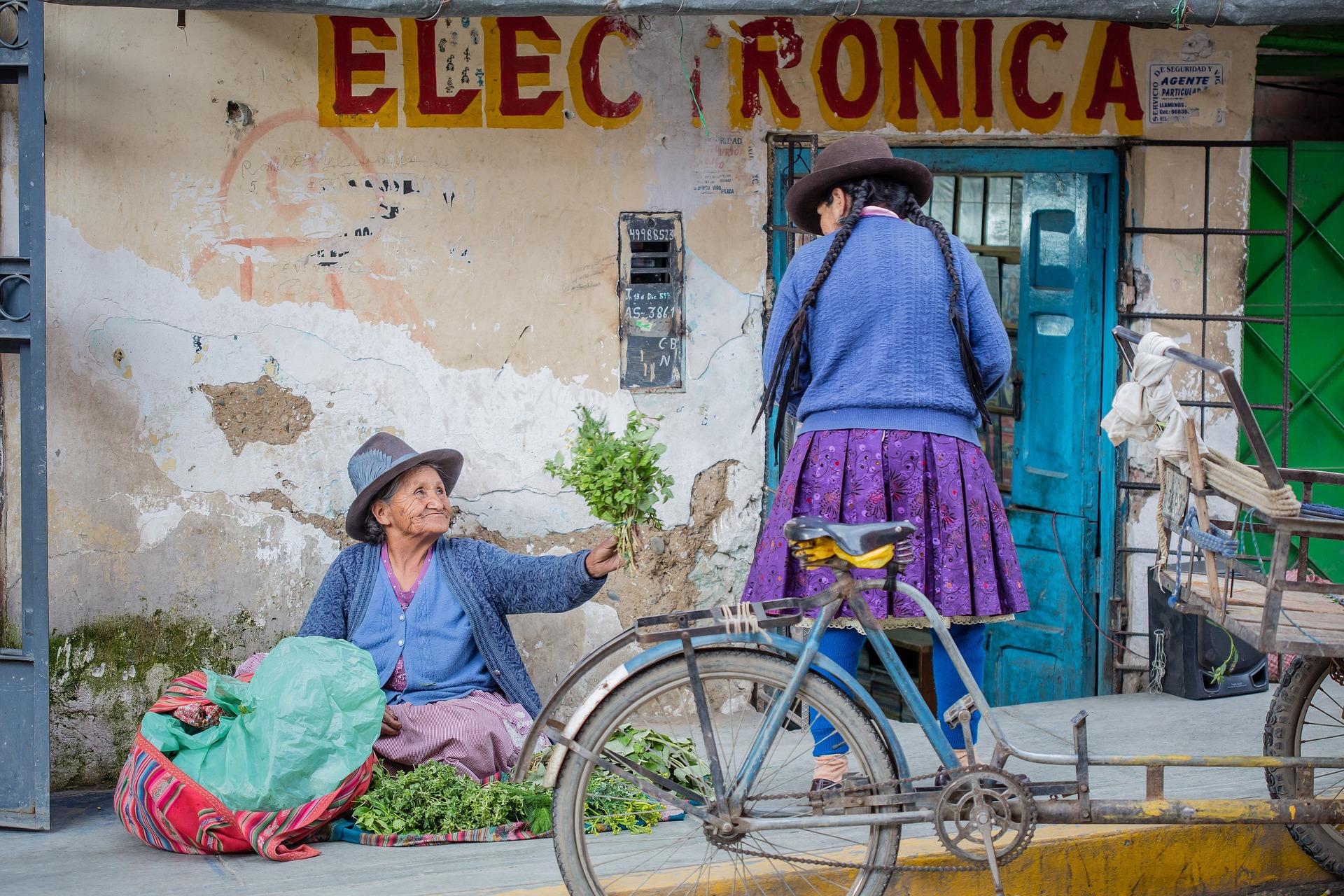
Stage 4: Acceptance Stage: “I am starting to feel like I am at home!”
In the final stage of Culture Shock, you’ll experience Acceptance: The “I am starting to feel at home!” stage. You finally start to get it and appreciate the host culture. You get that their way isn’t better or worse, simply different. At this stage, you’ve not only learned to accept new cultural differences, but you’ve embraced them too!
This is the best stage, in my opinion. It feels like home and you are finally feeling more in your element. This phase is harder to put into words but is the most comforting of them all.

So How Can We Overcome Culture Shock?
Laughing during cultural immersion doesn’t mean that you’re not taking it seriously. It means that you’re enjoying your daily experiences, even if they’re not always pleasant. Embrace the hilarity, and you’ll find that dealing with the emotional and mental effects of Culture Shock is a lot easier. So here are a few tips to help you overcome Culture Shock while remaining lighthearted!
Tip 1: Make fun of yourself
Nobody is perfect. Don’t take yourself too seriously, be humble, and make fun of yourself. You can turn awkward cultural encounters into comedy or create ridiculous nicknames for the strange experiences you have. Laughing at yourself means that you’re open to learning, and your resilience will make the transition easier.
Tip 2: Bring humor into language barriers
Don’t be embarrassed if you don’t know how to say something! Make it fun by developing your jargon or tackling the accent with enthusiasm. If you use the wrong word, don’t stress out, it will be a fun story later, and I promise you will not make the mistake again! Speak the wrong words on purpose or try your best to use slang and jokes in the new language.

Tip 3: Find Ways To Remain Cheerful In Strange Situations
Culture Shock often exposes us to bizarre and awkward situations and events. These situations might seem strange at first, but stay positive and open-minded. Laugh at the oddities and awkward moments; it’s the best way to gain acceptance quickly.
Tip 4: Engage in Cultural Exchange Programs
Socialize with locals and their cultural habits when making new friends. Learn from them and exchange cultural experiences. You’ll be amazed by how much they’ll appreciate your interest in their culture. They’ll even be thrilled to hear commentary about their customs and beliefs!

Tip 5: Enjoy The Celebrities
Get entertained by the local celebrities of your new country, be it pop stars, actors, or politicians! Everything that you learn about a new culture is exciting! Who knows, you might get surprised by how much you enjoy the things you were judging initially.
Tip 6: Join Social Media Communities with a Sense of Humor
Social media is a great way to connect with people from all over the world. Find online communities with the same cultural background and sense of humor as you. They’re the perfect spot for sharing the quirks and oddities of your new culture.

Culture shock plays a significant part in the life of many people who move to new countries. By recognizing its stages and embracing the fun and humor, individuals can navigate culture shock with greater ease. We hope that this post has been both educational and entertaining, and has reminded you to embrace the unknown with fun and positivity.
Ready for your next adventure? Where would you move if there were no limitations?
What Is Culture Shock & How To Manage It Read More »









































































 1. Fear of Flying
 Don’t leave your phone, wallet, or laptop, unattended on the side of a table. This is especially true for restaurants with outdoor seating. There are skilled thieves that watch for this. Sometimes they will just try to grab and go, and other times they will come up to you to make conversation or try to ‘sell’ you something. I have seen this happen and there isn’t much you can do once they run and lose themselves in the crowd.
  As you can see, there are a number of common travel fears that many people experience before and during their travels. Knowing how to stop fear might not be able to completely eliminate it, but by preparing ahead of time, having a plan, practicing self-care, and taking basic safety precautions, you can manage them and fully enjoy all that travel has to offer. You might be sensing a pattern here and you are right. Information is your best friend when it comes to tackling any fear or anxiety. Learning these skills now will not only reward you with better travel experiences, but also carry over to other areas of your life as well. Remember, the rewards of travel far outweigh the risks!




 The word may be unfamiliar to you but if the feeling is one you relate to, embrace it and welcome to our community!
As a hodophile, you likely have a deep love for adventure and discovery. You enjoy exploring new places, meeting new people, and immersing yourself in unique experiences that are only possible through travel. Whether it’s visiting a new city, trying a new food, or learning a new language, you’re always seeking out opportunities to broaden your horizons and expand your perspective.
One of the joys of being a hodophile is the ability to break out of your comfort zone and experience things you never thought possible. Traveling to a new place can be exhilarating, as you’re presented with new challenges and opportunities to grow as a person. Whether it’s navigating a new city, trying new foods, or engaging with people from different backgrounds, traveling allows you to step outside of your everyday routine and experience life in a different way.
Another benefit of being a hodophile is the opportunity to learn about different cultures and ways of life. By visiting new places, you gain a better understanding of the world around you and the people who inhabit it. You can learn about different traditions, customs, and beliefs, and gain a deeper appreciation for the diversity of the human experience.
The word may be unfamiliar to you but if the feeling is one you relate to, embrace it and welcome to our community!
As a hodophile, you likely have a deep love for adventure and discovery. You enjoy exploring new places, meeting new people, and immersing yourself in unique experiences that are only possible through travel. Whether it’s visiting a new city, trying a new food, or learning a new language, you’re always seeking out opportunities to broaden your horizons and expand your perspective.
One of the joys of being a hodophile is the ability to break out of your comfort zone and experience things you never thought possible. Traveling to a new place can be exhilarating, as you’re presented with new challenges and opportunities to grow as a person. Whether it’s navigating a new city, trying new foods, or engaging with people from different backgrounds, traveling allows you to step outside of your everyday routine and experience life in a different way.
Another benefit of being a hodophile is the opportunity to learn about different cultures and ways of life. By visiting new places, you gain a better understanding of the world around you and the people who inhabit it. You can learn about different traditions, customs, and beliefs, and gain a deeper appreciation for the diversity of the human experience.
 Of course, being an adventure addict isn’t always easy. Traveling can be expensive, time-consuming, and sometimes even stressful. But for those who are truly passionate about it, the rewards far outweigh the challenges. The memories and experiences gained through travel are priceless, and can leave you impacted in ways you never imagined.
If you’re a hodophile, grab hold of your love for adventure and exploration. Seek out new places, meet new people, and take risks that challenge you to grow and evolve. Travel has the power to transform us in ways we never thought possible, and as a curious hodophile, you have the opportunity to experience it all.
Take this short quiz to find out if you are, in fact, a hodophile.
Of course, being an adventure addict isn’t always easy. Traveling can be expensive, time-consuming, and sometimes even stressful. But for those who are truly passionate about it, the rewards far outweigh the challenges. The memories and experiences gained through travel are priceless, and can leave you impacted in ways you never imagined.
If you’re a hodophile, grab hold of your love for adventure and exploration. Seek out new places, meet new people, and take risks that challenge you to grow and evolve. Travel has the power to transform us in ways we never thought possible, and as a curious hodophile, you have the opportunity to experience it all.
Take this short quiz to find out if you are, in fact, a hodophile.